Tradiksyon sa a te fèt otomatikman e li poko revize pa yon moun ki pale lang lan natifnatal.
Sous anglè: How to… · Sous anglè: How-to guide
Sous anglè: Read a land-use project's next step and documents
Sous anglè: Check a project’s current stage, next published opportunity and official documents.
Sous anglè: Step 1 — Open the project
Sous anglè: Open land-use projects with JavaScript switched on. Enter the project's name in Kòd postal, adrès, oswa katye above the list. For practice use Timbale Terrace. Select its title and check project number 2022M0258. Reading here submits nothing and starts no subscription.
Sous anglè: Step 2 — Read the stage and authority
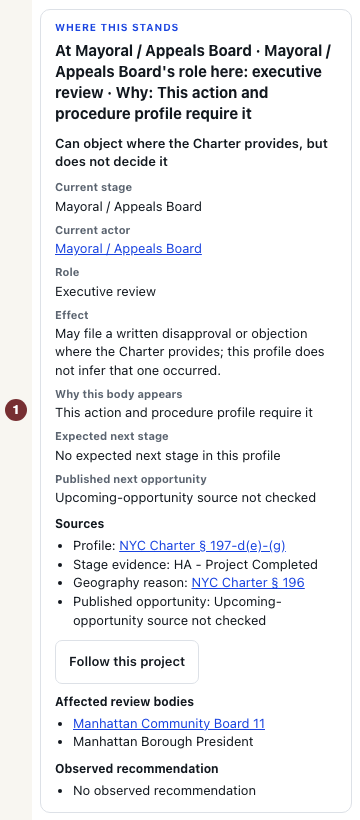
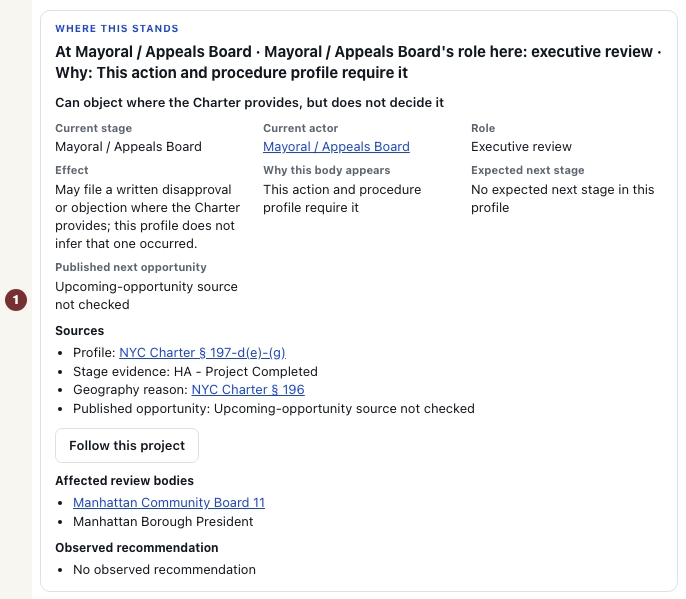
Sous anglè: In Kote sa rive, read Etap aktyèl, Aktè aktyèl and Wòl together. The role tells you whether the body can decide or only recommend. A recommendation is not approval. Then read Pwochen etap yo prevwa and Pwochen opòtinite ki pibliye. The former is the usual next step, while the latter is a published chance to participate when a date is available.
Sous anglè: Check each date's label before planning around it. A window calculated from statutory review periods is not an appointment. Clocks can pause. Use a published opportunity's official source to confirm where and when to participate.
Sous anglè: Step 3 — Open the filed documents
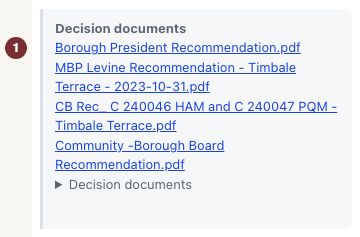
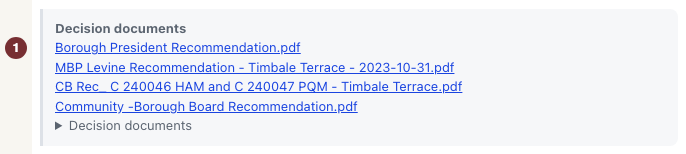
Sous anglè: On the project page, find Dokiman desizyon and open a document title if one is listed. These are a body's published decisions. Application filings, including a Racial Equity Report where required, serve a different purpose. Read whether a report was required and observed before drawing a conclusion from its absence.
Sous anglè: Use Louvri pwojè ZAP konplè a in the decision-documents area to open its full record in the city's Zoning Application Portal. Check that the project number matches and open the filed document there. If no document is listed on CityScroll, use that same portal record to check the released package.
Sous anglè: When a stage or date is unknown
Sous anglè: An unknown Kote sa rive means the available evidence does not establish the stage. No published next opportunity found does not mean there will be none. A source not checked or marked stale leaves the answer unknown. Check the project's portal record and the relevant body's published calendar before making plans.
Sous anglè: A report that has not been observed is not automatically late or missing from the applicant's filing. Keep that distinct from a publisher's explicit finding that it was not filed on time.